
Bridging the Great Divide: Understanding Political Polarization and Pursuing Unity Through Dialogue
- Nathon Smith
- May 30, 2025
- 4 min read
In recent years, political polarization has shifted from an abstract concept to a significant barrier that impacts our relationships, community dynamics, and even the way we engage with each other at social gatherings. The divide between political parties now goes beyond just differing perspectives; it has created serious rifts that affect the core of societal interactions. In this post, we will explore the role of media in deepening these divides, examine the root causes of polarization, and discuss practical steps towards unity and healing.
Understanding Political Polarization
Political polarization is the growing ideological divide between political parties and their supporters. Research shows that polarization has doubled over the last 50 years, with 61% of Americans expressing unfavorable opinions of the opposing party in recent surveys. This trend reflects a shift towards a mentality of “us vs. them,” where compromise is often perceived as a weakness while harsh rhetoric prevails over respectful dialogue.
This polarization is not limited to election season. It permeates daily life, influencing conversations at dinner tables, workplaces, and community events. For instance, studies have indicated that 25% of Americans have cut ties with friends or family members over political disagreements, highlighting the depth of this divide and the negative impact it has on social cohesion.
The Role of Media in Polarization
Examining the role of media in this context is essential to understanding how polarization is amplified. Both traditional media and social media have profound influence over public attitudes and beliefs.
1. Selection of Coverage
Media outlets often curate their content to appeal to specific audiences, leading to biased narratives. For instance, a cable news channel may focus on negative stories about a political group while glossing over scandals within their favored party. This selective presentation fosters mistrust and reinforces ideological divides.
2. Echo Chambers
The rise of online platforms has created environments where individuals are rarely exposed to differing opinions. A Pew Research Center study found that 62% of social media users engage only with content that aligns with their views. This limits perspectives and perpetuates a narrow worldview, making it harder to empathize with others who hold different beliefs.
3. Misinformation and Deception
In the race for viewer engagement, sensationalism often overshadows factual reporting. The rapid spread of misinformation not only skews public understanding but also complicates efforts for constructive discussions. For instance, misleading headlines can lead to misinterpretations that deepen partisan divides.
Barriers to Healing Division
Recognizing the barriers to healing division is crucial in overcoming polarization. These obstacles often stem from psychological and social factors.
1. Identity Politics
Many people view their political affiliation as part of their identity. This can make it challenging to accept alternate viewpoints, increasing the likelihood of interpreting political debates as personal attacks. Approximately 80% of respondents in a recent poll indicated they see political discussions as a reflection of their personal values, which can escalate tensions.
2. Lack of Listening
A major impediment to meaningful dialogue is the lack of genuine listening. People often focus on winning arguments rather than understanding others. Improved listening skills can fundamentally change how discussions progress.
3. Historical Context
Historical injustices and present-day inequalities complicate political conversation. For marginalized communities, political discussions can evoke feelings of disenfranchisement, leading to disengagement. In fact, nearly 40% of underrepresented minorities report feeling excluded from mainstream political discussions.
Pursuing Unity through Dialogue
Despite these challenges, there are routes towards understanding and unity. By fostering empathy and respectful dialogue, we can bridge divides.
1. Cultivating Empathy
Empathy is vital for healing. By engaging with people from different political backgrounds and sharing personal stories, we begin to humanize political issues. This connection allows for a better understanding of diverse experiences. For example, a conversation about healthcare experiences can highlight differing views in a more personal context.
2. Active Listening
Active listening techniques can transform conversations. Practices like summarizing what the other person said not only show respect but also encourage a more welcoming environment for discussions.
3. Seeking Common Ground
Identifying common goals and values can be a powerful tool for bridging gaps. Instead of focusing solely on political differences, discussions can pivot towards shared aspirations, such as community safety or education. Finding common ground fosters a sense of collaboration and reduces tensions.
Image Section
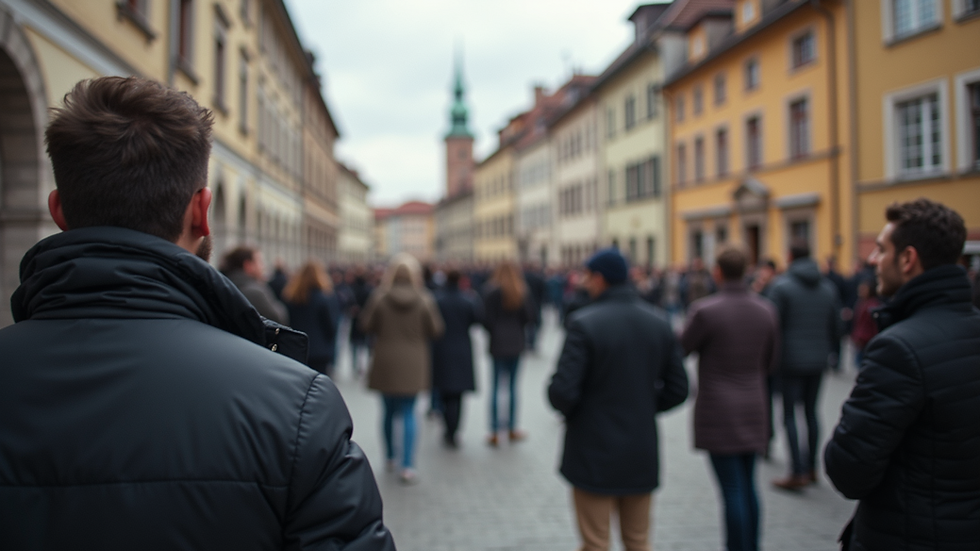
Moving Toward Unity
The political divide carries real implications for society at large. While the challenges of polarization can feel overwhelming, healing through dialogue is indeed possible.
We must be aware of how media shapes our perceptions and work actively to overcome the barriers that deepen division. Creating a culture based on empathy and civil discourse is not only important but achievable. Though the journey towards unity will take time, consistent and open conversations can foster understanding—where listening takes precedence over shouting, leading us closer to healing and collaboration.
In our quest for a more harmonious society, it is crucial for individuals, communities, and leaders to commit to listening and understanding. With collective effort, we can begin to mend the great divide and build a future characterized by collaboration and mutual respect.
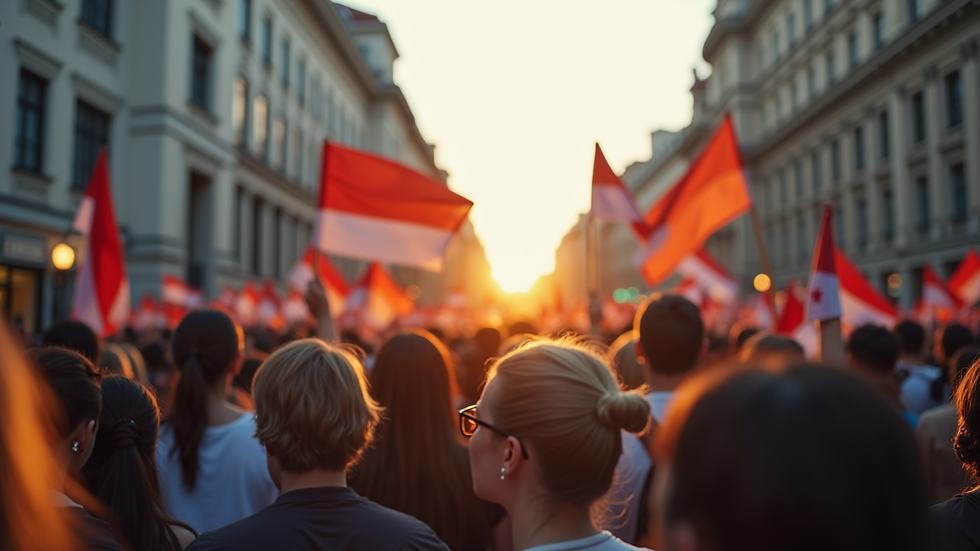
As we choose to engage in meaningful conversations, bridging the divide becomes a shared goal, leading to coexistence and a thriving society built on understanding.

As we navigate the complexities of political polarization, let us embrace dialogue rooted in empathy and respect. The path might be challenging, yet it is filled with potential for unity, healing, and a more inclusive future.



Comments